
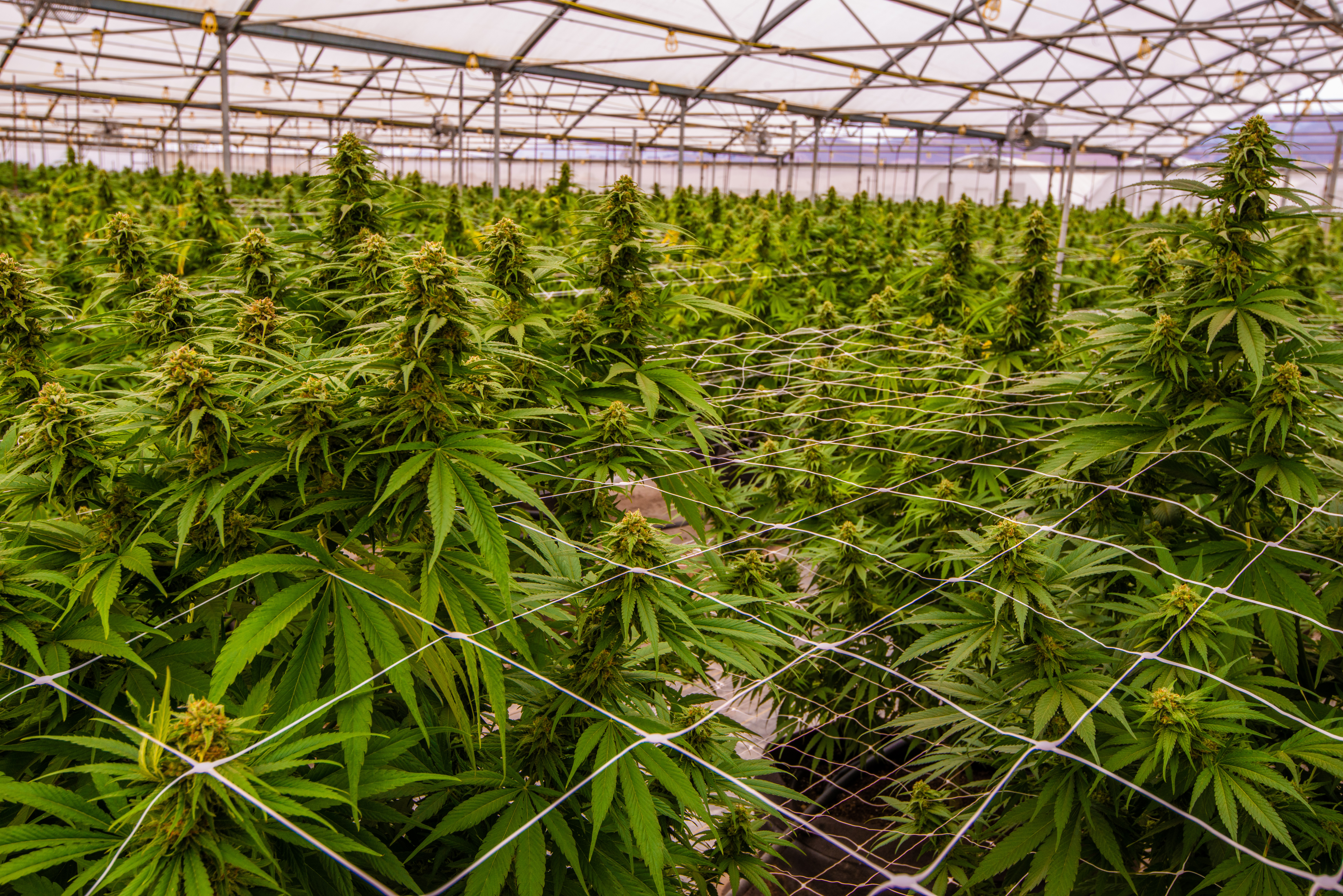
Reliable CO2 readings help indoor growers manage enrichment, monitor system performance, and support worker safety in the grow room. Sensors can drift or become less dependable after service, contamination, or other operating changes, so periodic verification matters. Knowing how to calibrate a CO2 sensor correctly starts with the manufacturer’s instructions, since procedures vary by device. Florida CO2 supports cultivation facilities with CO2 monitoring equipment, installation support, system planning, and ongoing service.
When Should You Calibrate a CO2 Sensor?
There is no single calibration schedule that applies to every device. Follow the manufacturer’s recommended interval and consider the sensor type, required accuracy, and conditions in the room. Calibrate sooner if readings drift unexpectedly, the device is moved or serviced, or contamination may have affected its response. You may also need to calibrate after replacing a sensor or when a known reference shows a meaningful difference from the displayed reading.
It is also useful to verify readings against an approved reference when something looks unusual. Don’t calibrate simply because one reading seems different. First check placement, airflow, recent CO2 dosing, and obvious equipment problems that could explain the change. Record calibration and verification events so your team can track service history and identify recurring problems.
Common CO2 Sensor Calibration Methods
Fresh air calibration uses clean outdoor air as a reference on sensors designed for that method. Move the device away from people, vehicle exhaust, combustion sources, and other localized CO2 sources. Allow it to stabilize, then start the fresh-air procedure specified by the manufacturer. Only calibrate this way when the device is designed to use outdoor air as its reference.
Zero and span calibration uses known reference gases for a more controlled check. Compatible sensors may use an approved zero gas, commonly nitrogen, to establish the baseline. A certified span gas with a known CO2 concentration is then used to verify or adjust the reading. This method lets a technician calibrate against known conditions instead of relying on the room environment. Regulators, tubing, fittings, and flow rates should match the sensor or calibration kit instructions.
Some devices use automatic calibration, also called Automatic Baseline Correction or Automatic Baseline Calibration. This feature uses low readings over a set period as a baseline reference. It works best when the sensor regularly sees fresh-air CO2 levels. In continuously enriched or tightly sealed grow rooms, that assumption may not hold. A sensor could gradually shift its baseline if the room never returns to the conditions the feature expects, so follow the manufacturer’s guidance before changing the setting.
How to Calibrate a CO2 Sensor Step by Step
- Review the manufacturer’s calibration procedure and confirm the required method.
- Power the sensor and allow the required warm-up or stabilization period.
- If using zero gas, connect the approved gas and wait for the reading to stabilize.
- Set or confirm the zero point according to the device instructions.
- Apply the certified span gas at the specified flow rate.
- Allow the reading to stabilize, then adjust or confirm the span value.
- Return the sensor to its operating location and verify normal response.
- Record the date, method, gas information, and service details.
Calibration Best Practices for Grow Rooms
Use calibration gas and equipment approved for the sensor, and keep service records for future reference. Schedule work around enrichment cycles when practical, and avoid performing checks directly beside CO2 outlets, vents, or areas with unusual airflow. Keep sensors clean and inspect them for contamination or physical damage. When the manufacturer permits it, a fresh-air comparison can also provide a basic check of sensor response.
If readings remain inaccurate after calibration, do not keep making repeated adjustments without identifying the cause. A damaged, contaminated, or failing device may need professional service or replacement. Contact the manufacturer or a qualified service provider when you cannot calibrate the unit successfully. Follow proper compressed-gas handling procedures when calibration cylinders are used. Florida CO2 can help growers evaluate monitoring equipment, installation needs, and the way monitoring fits into the larger enrichment system. Contact Florida CO2 to discuss your grow room setup or request a quote.